
MLS and other US leagues seek betting regulations amid athlete harassment concerns
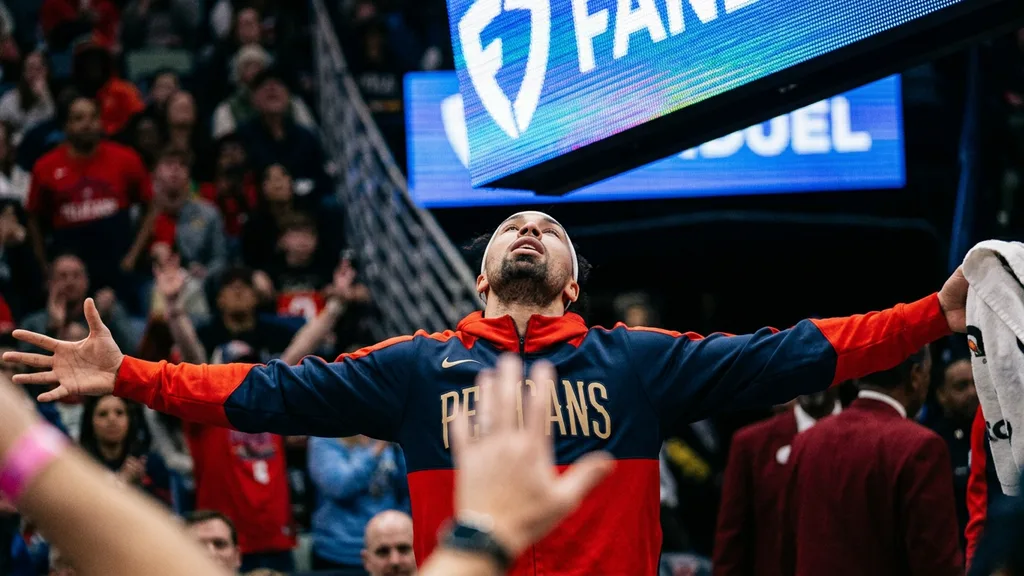
Major League Soccer, in conjunction with the NFL, NBA, MLB, and NHL, has issued a joint letter to state officials across the United States, calling for new regulations to address harassment stemming from sports betting. The leagues are requesting measures to penalize individuals who harass athletes, coaches, officials, or their families due to gambling losses, as the leagues stated Tuesday. This development underscores a growing concern within professional sports regarding the societal impacts of widespread sports wagering.
The collective appeal from these five major professional sports organizations highlights a perceived increase in online and in-person harassment targeting those involved in the game. The leagues attribute this rise to the proliferation of sports betting, which they suggest has led some gamblers to lash out when outcomes do not favor their wagers. This letter represents a significant move by sports bodies to mitigate the negative externalities of a lucrative industry they have simultaneously embraced.
Leagues' complicated relationship with sports betting revenue
Despite their call for stricter regulations, all five leagues, including MLS, maintain official partnerships with various gambling companies. These associations often involve extensive branding, with companies designated as the “official betting partner” of each respective league. The leagues openly promote betting as an “enhancing experience” for fans during broadcasts, a practice that has drawn scrutiny given their recent concerns about bettor behavior, as SB Nation reported.
Critics argue that the leagues' current stance reveals a desire to benefit financially from sports betting while simultaneously distancing themselves from its negative consequences. They suggest that the leagues are attempting to “have their cake and eat it too,” actively promoting wagering without fully addressing the inherent risks for consumers. This dual approach raises questions about the industry's responsibility to protect both its athletes and its fans from the potential downsides of gambling expansion.
Potential and limitations of the proposed regulations
While the joint letter calls for specific steps to protect athletes, some observers view it as lacking substantial teeth. The leagues are requesting punishment for harassment and increased consumer protections, but they have not indicated a willingness to curtail their own lucrative partnerships with betting operators. For example, the leagues have not threatened to withdraw support or branding from gambling companies, nor have they suggested they might stop allowing real-time scraping of statistics for live betting, as the report noted.
This perspective suggests that, absent more drastic measures from the leagues themselves, the proposed regulations might offer only a superficial solution. The inherent risks of sports betting, including the potential for gambling addiction and irrational behavior from upset bettors, were widely understood when nationwide legalization began. The current efforts appear aimed at managing the symptoms of this expansion rather than fundamentally re-evaluating the leagues' deep financial ties to the betting industry.
Reporting: SB Nation